
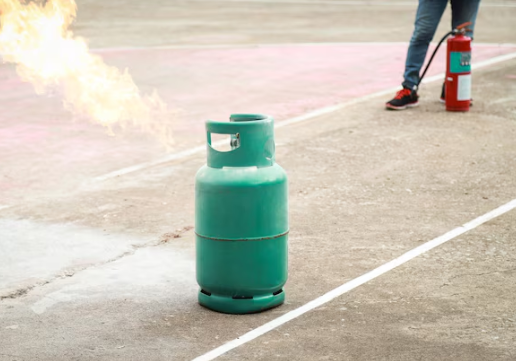
When it comes to enjoying your outdoor space, a patio gas bottle is an essential companion. Whether you are firing up a barbecue, heating your patio, or running a gas-powered outdoor appliance, gas bottles make it convenient and efficient. However, with the convenience of propane or butane gas bottles comes the responsibility of storing and handling them safely.
This complete guide covers everything you need to know about patio gas bottle storage and safety. From the basics of gas bottles to proper handling, storage regulations, and safety tips, this article will help you keep your outdoor space enjoyable—and safe.
What Is a Patio Gas Bottle?
A patio gas bottle is a portable container filled with propane or butane, primarily designed to fuel outdoor equipment such as:
-
Patio heaters
-
Gas barbecues
-
Camping stoves
-
Outdoor fire pits
Most patio gas bottles are made of durable steel or aluminum and come in different sizes, typically ranging from 5kg to 13kg. They are fitted with regulators that ensure the safe release of gas to your appliance.
Unlike natural gas, which is supplied through fixed pipelines, patio gas bottles are portable, making them flexible and practical for both residential gardens and commercial outdoor spaces.
Why Safe Storage of Patio Gas Bottles Matters
Gas bottles contain highly flammable propane or butane. If stored incorrectly, they pose risks such as:
-
Fire hazards
-
Gas leaks
-
Explosion risks
-
Health concerns from inhalation
By following safe storage guidelines, you can reduce these risks while ensuring your patio gas bottle lasts longer and performs efficiently. Proper storage also keeps bottles protected from weather damage, rust, and accidental knocks.
General Rules for Patio Gas Bottle Storage
When it comes to safe storage, there are universal rules to follow regardless of where you live:
-
Store Outdoors Whenever Possible
Gas bottles should always be stored outside in a well-ventilated area. This prevents gas build-up in case of a leak. -
Keep Upright
Always store patio gas bottles in an upright position. Laying them on their side can cause liquid gas to escape and increase the risk of accidents. -
Avoid Heat Sources
Bottles should be kept away from direct sunlight, open flames, barbecues, heaters, and electrical appliances. -
Secure the Bottle
Store bottles in a stable position to prevent them from tipping over. -
Check for Damage
Inspect bottles for dents, rust, or leaks before storing them. -
Regulator Off
Always turn off the regulator after use to avoid unnecessary leaks.
Best Practices for Storing Patio Gas Bottles at Home
1. Outdoor Storage in a Secure Cage or Shed
The ideal storage solution is an outdoor gas bottle cage or a well-ventilated shed. These enclosures are designed to prevent tampering while ensuring good airflow. Ventilation is key because propane and butane are heavier than air, and leaks can pool at ground level.
2. Safe Distance from Buildings
Keep bottles at least 1.5 meters away from doors, windows, and air vents. This reduces the risk of gas entering your home in case of a leak.
3. Weather Protection
Although gas bottles are durable, prolonged exposure to rain, frost, or sunlight can damage the metal. Using a bottle cover or placing them under a canopy helps extend their lifespan.
4. No Smoking or Flames Nearby
Never store gas bottles near smoking areas, fire pits, or grills that might accidentally ignite leaked gas.
5. Child and Pet Safety
Keep bottles out of reach of children and pets. A fenced-off area or lockable cage is the safest option.
Indoor Storage: When Is It Safe?
Generally, storing patio gas bottles indoors is not recommended. However, there are limited cases where it may be acceptable:
-
Small camping gas canisters can sometimes be stored indoors if kept in a well-ventilated room.
-
Butane bottles (smaller size) may be stored indoors in garages or utility rooms if no ignition sources are present.
Never store propane gas bottles inside your home, basement, or loft. Propane is more volatile and must always be stored outdoors.
How Many Patio Gas Bottles Can You Store?
Depending on the regulations in your country, there are limits to how many gas bottles you can store at home.
-
Residential properties: Usually up to 2 x 15kg bottles at a time.
-
Commercial premises: May require fire safety approval for larger storage.
Always check your local fire authority or gas supplier guidelines to stay compliant.
Handling Patio Gas Bottles Safely
In addition to storage, safe handling ensures both you and your appliances remain protected.
-
Transport with Care
-
Always transport gas bottles upright.
-
Use a trolley for heavy bottles.
-
Secure them during car transport to avoid rolling.
-
-
Connection Safety
-
Check the rubber hose and regulator before connecting.
-
Ensure all connections are tight but not overtightened.
-
Use soapy water to check for leaks—bubbles will appear if there’s a problem.
-
-
Turn Off After Use
Always switch off the regulator and appliance when not in use. -
Never Tamper with Valves
Only use approved regulators and avoid forcing valves open or shut.
Signs of a Gas Leak
Knowing how to detect a leak can prevent serious accidents. Look out for:
-
Hissing sound near the regulator or hose
-
Unusual smell (propane and butane are treated with odorants for detection)
-
Bubbles forming when soapy water is applied to connections
If you suspect a leak:
-
Turn off the bottle immediately.
-
Move it outdoors away from flames.
-
Contact your supplier for inspection.
Never attempt to repair a leaking bottle yourself.
Seasonal Patio Gas Bottle Storage
Different seasons call for slightly different storage practices:
-
Summer: Protect bottles from direct sunlight and overheating.
-
Winter: Keep bottles off frozen ground and away from snow build-up.
-
Off-Season: If you’re not using your gas bottle for months, disconnect it, close the regulator, and store it securely outdoors.
Safe Disposal of Old Gas Bottles
You should never throw away or recycle a gas bottle with household waste. Instead:
-
Return empty bottles to your supplier for refilling or recycling.
-
Many suppliers operate exchange schemes where you return your empty bottle and get a refill at a reduced price.
-
If you have an unused bottle, contact the supplier or a licensed recycling facility.
This ensures bottles are disposed of safely and sustainably.
Common Patio Gas Bottle Storage Mistakes to Avoid
-
Storing bottles in basements or attics
-
Leaving bottles connected to appliances when not in use
-
Exposing bottles to direct heat or flames
-
Keeping bottles loose and unsecured
-
Ignoring signs of rust, dents, or leaks
Avoiding these mistakes significantly reduces the risk of accidents.
Patio Gas Bottle Safety Checklist
Here’s a quick checklist for everyday use:
✅ Store bottles outside in a ventilated area
✅ Keep upright and secure against falling
✅ Protect from direct heat and sunlight
✅ Check for leaks before connecting
✅ Turn off regulator after use
✅ Keep away from children and pets
✅ Dispose of empty bottles responsibly
Final Thoughts
Patio gas bottle make outdoor living more enjoyable, whether you’re grilling steaks, hosting friends around a fire pit, or staying warm with a patio heater. But as with any fuel source, they demand responsible handling.
By following these patio gas bottle storage and safety guidelines, you can enjoy peace of mind while making the most of your outdoor space. Proper storage not only protects your home and family but also ensures your bottles and appliances last longer, saving you money in the long run.
Remember: Store upright, outdoors, and safely away from heat sources—and you’ll never have to worry about your patio gas bottle becoming a hazard.